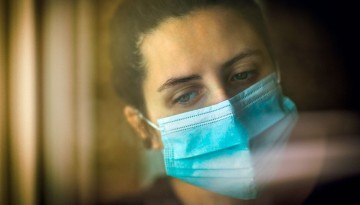
Most patients with severe COVID who are put on ventilators regain consciousness after removal of respiratory support, but recovery may take weeks after the period of mechanical ventilation has ended, according to a new study.
Anti-Mullerian hormone, traditionally thought of as a passive byproduct of polycystic ovary syndrome, may actually play an active role in the disorder, according to new research.
Investigators from Weill Cornell Medicine and Memorial Sloan Kettering Cancer Center have discovered how a drug for multiple sclerosis interacts with its targets, a finding that may pave the way for better treatments.
Anesthesiology prices jump significantly after medical facilities contract with corporate physician management companies – especially those backed by private equity firms – and threaten to hike patient costs, according to new research.
A patient living with HIV who received a blood stem cell transplant for high-risk acute myeloid leukemia has been free of the virus for 14 months after stopping HIV antiretroviral drug treatment, suggesting a cure, according to the Weill Cornell Medicine and New York-Presbyterian physician-scientists who performed the transplant and managed her care.
Weill Cornell Medicine has been awarded a $9.8 million grant from the National Institutes of Health to lead a consortium of health care institutions that are analyzing nationwide health data in an effort to unravel the complexities of long COVID.
A specific group of fungi residing in the intestines can protect against intestinal injury and influence social behavior, according to new preclinical research by scientists at Weill Cornell Medicine.
This year’s Lund Critical Debate, “Migration in the Age of Pandemics,” on February 16 will explore ways to promote the best public health outcomes worldwide and protect human rights, as waves of people cross national borders.