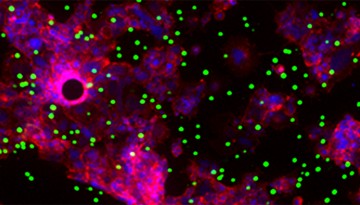
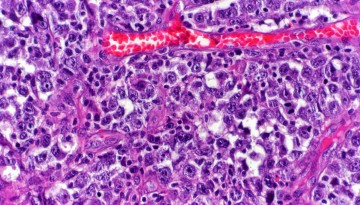
Researchers found that they could use an existing experimental drug to slow metabolism of certain aggressive B-cell lymphomas in lab-dish and animal studies.
Researchers from Weill Cornell Medicine sampled gut bacteria from healthy fecal microbiota transplantation donors and from recipients with ulcerative colitis, identifying the bacterial strains that correlates with effective treatment.
A brain circuit that works as a brake on binge alcohol drinking may explain why women may be more vulnerable to alcohol-use disorders, a Weill Cornell Medicine study found.
During his term as president of the American Association of Immunologists, Dr. Gary Koretzky '78, vice provost for academic integration at Cornell, aims to improve science advocacy, public outreach and more.
According to a new study from researchers at Weill Cornell, COVID-19 may bring high risks of severe disease and death in many patients by disrupting key metabolic signals and thereby triggering hyperglycemia.
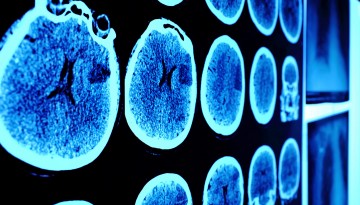
A team of researchers has profiled in unprecedented detail thousands of individual cells sampled from patients’ brain tumors. The findings, along with the methods developed to obtain those findings, represent a significant advance in cancer research.
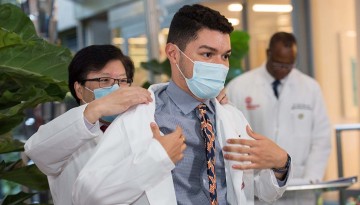
On Sept. 24, after a year highlighted by so many virtual events, the Class of 2024 finally celebrated their medical school journey with a White Coat Ceremony – hosted in-person.
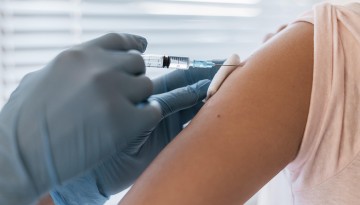
In this Q&A, Dr. Roy Gulick of Weill Cornell Medicine breaks down the science underlying booster shots of COVID-19 vaccines and answers some frequently asked questions.
Malignant tumors can enhance their ability to survive and spread by suppressing antitumor immune cells in their vicinity, but a new study has uncovered a way to counter this effect.