The simple technique was associated with a 56% reduction in irregular heart rhythm that can lead to stroke, with no added risks, according to a Weill Cornell Medicine study.
The university has done much more than just stay open, President Martha E. Pollack said Nov. 12 during her fifth annual address to staff, hosted by the Employee Assembly. Pollack offered special thanks to the Cornell University Police Department for its responses to recent events on campus.
As more states legalize cannabis for medical or recreational purposes, its use during pregnancy is increasing – along with the potential forabuse or dependence.
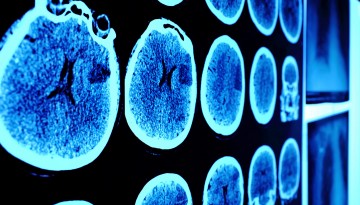
Treatment with the amino acid arginine enhanced the effectiveness of radiation therapy in cancer patients with brain metastases in a clinical trial from investigators at Weill Cornell Medicine and Angel H. Roffo Cancer Institute.
A new study suggests that greater cumulative exposure to estrogen in life may counter the decline in brain-matter volume that occurs with menopause, in key brain regions affected in Alzheimer's disease.
Katherine H. Saunders MD ’11, an assistant professor of clinical medicine at Weill Cornell Medicine, specializes in the care of patients with obesity and weight-related medical complications.
The grant will fund an effort to study how abnormal protein aggregates may spread from the gut to the brain to drive the early stages of Parkinson’s disease.
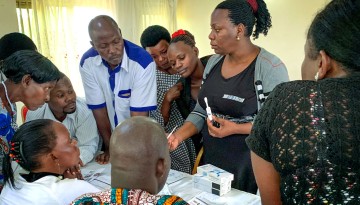
Partnering with traditional healers improves uptake of HIV tests in rural Uganda, according to a trial by Weill Cornell Medicine and Mbarara University of Science and Technology investigators.
Two renowned biologists, May Berenbaum, Ph.D. ’80, and Ellen Rothenberg, have been appointed to six-year terms as Andrew Dickson White Professors-at-Large.