Life Science Core Day, taking place Sept. 22, offers Cornell researchers a chance to explore an extraordinary range of specialized life science core facilities, technologies, and expertise available to them from across campus in one place.
Cornell University welcomed more than 180 researchers, students, industry partners and federal leaders to Ithaca July 22–23 for the 2026 SUPREME Annual Review,
Cornell and global leaders will come together at Climate Week NYC Sept. 20-27 to discuss some of the world’s most pressing sustainability challenges, including harnessing AI’s power while mitigating its negative impacts.
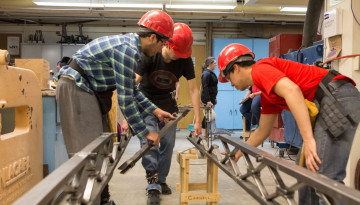
A new National Science Foundation grant awarded to the Cornell Duffield College of Engineering aims to develop a more systematic approach to teaching teamwork by helping instructors identify what they want students to learn from team experiences.
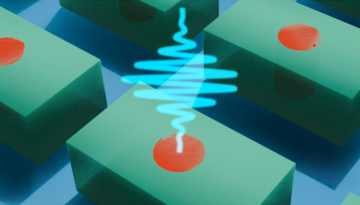
Using an engineered metasurface that traps light, Cornell researchers have demonstrated a new way to generate strong static magnetic fields without using external magnets or magnetic materials – an approach that could advance spintronics, quantum and photonic computing, and data storage.
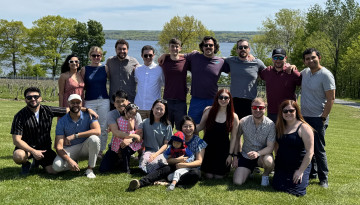
A decade after graduation, Cornell biomedical engineering M.Eng. alumni returned to campus to share how the program's technical foundation, adaptability and community have shaped careers across diverse fields.
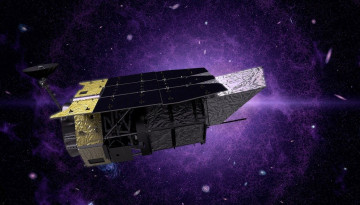
Targeting launch Aug. 30, the Nancy Grace Roman Space Telescope will attempt to directly image a set of exoplanets selected with help from Cornell faculty member Dmitry Savransky.