A new ant species recently discovered in New Mexico has been named Strumigenys moreauviae, after Cornell University College of Agriculture and Life Sciences faculty member Corrie Moreau.
Forty-four graduate students have been selected as new National Science Foundation Graduate Research Fellowship Program (NSF GRFP) fellows, joining Cornell’s community of nearly 200 NSF GRFP fellows currently on campus.
Climate scientist Veerabhadran Ramanathan, who first discovered in the 1970s the climate-altering impacts of certain carbon chemicals in the atmosphere and who has been a driving force to enact policies to curb global warming for…
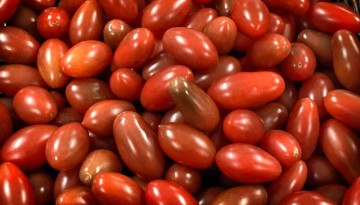
Moonshadow, a new variety of grape tomato, is a high-flavor, traditionally bred tomato derived from crosses with heirloom varieties. It’s aimed at organic growers, small farms and home gardeners.
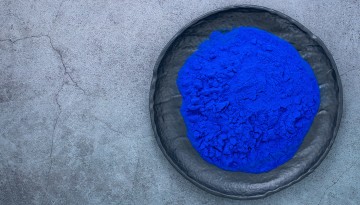
A natural food colorant called phycocyanin provides a fun, vivid blue in soft drinks, but it is unstable on grocery shelves. Cornell’s synchrotron is helping to steady it.
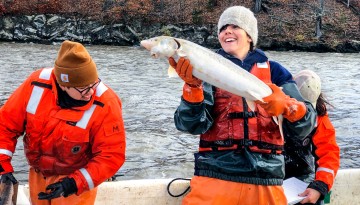
Researchers conducting a population estimate of shortnose sturgeon in the Hudson River caught one on Nov. 19 that had been tagged 26 years ago, during the last such count.
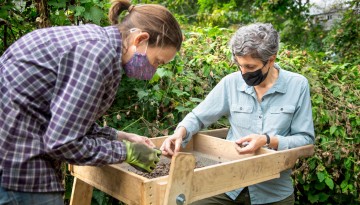
Cornell researchers and students are collaborating with community members to shed light on the role St. James A.M.E. Zion Church played in the abolitionist movement of the 1800s.
The Laidlaw scholars at Cornell are diving into a world of research. Over the first summer of the program, 24 Cornellians selected for the prestigious international program completed research projects on topics ranging from migration and big data to entomology, engineering communications and animal science.