Researchers have demonstrated the use of artificial-intelligence-selected natural images and AI-generated synthetic images as neuroscientific tools for probing the visual processing areas of the brain.
As journalists and professional fact-checkers struggle to keep up with the deluge of misinformation online, fact-checking sites that rely on loosely coordinated contributions from volunteers, such as Wikipedia, can help fill the gaps, Cornell research finds.
The Laidlaw Leadership and Research Program at Cornell develops students into ethical leaders and global citizens. The program, hosted by the Mario Einaudi Center for International Studies, strengthens students’ research and leadership skills over two years through work on international research projects, leadership training, participation in hands-on learning experiences, and global networking.
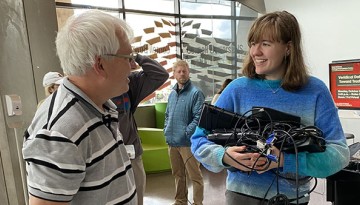
The Technology Repair Fair helped visitors repair, reuse, or recycle their old devices, while bringing attention to the environmental impacts of computing.
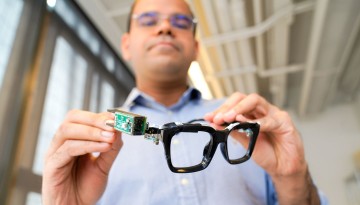
Throughout history, sonar’s distinctive “ping” has been used to map oceans, spot enemy submarines and find sunken ships. Today, a variation of that technology – in miniature form, developed by Cornell researchers – is proving a game-changer in wearable body-sensing technology.
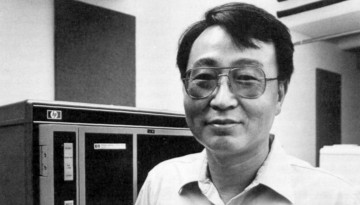
Hwa Chung “H.C.” Torng, M.S. ’58, Ph.D. ’60, professor emeritus of electrical and computer engineering, who invented a mechanism that helped advance high-speed computer processing, died March 31 at the John Muir Medical Center in Walnut Creek, California. He was 90.