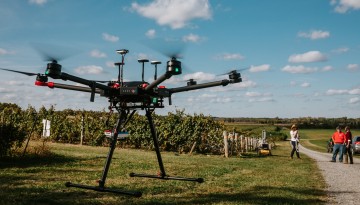
Students can now choose a new minor in digital agriculture, a multidisciplinary field focused on food and agriculture production systems, but with an increasingly broader span of applications and interests.
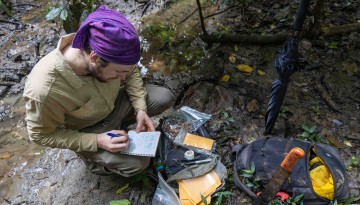
Researchers studying the formation of the Earth’s crust and wearable technology for daily-life applications are among those at Cornell who recently received National Science Foundation Faculty Early Career Development Awards.
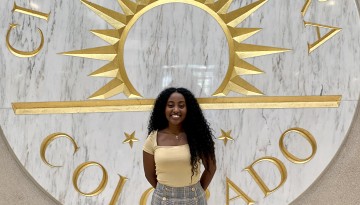
After an exciting summer of research, students from the Cornell Bowers CIS BURE program shared their results with faculty, mentors, and fellow students.
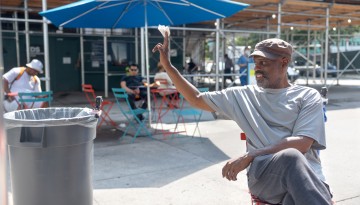
Cornell Tech researchers deployed “trashbots” in Brooklyn for two weeks in July. The goal of the experiment was to see how people interact with, and make sense of, service robots in public spaces. The cleaning was an added bonus.
Many medical studies record a patient’s race using only the broad categories from the U.S. Census, which may conceal racial health disparities, a new Cornell-led study reports.
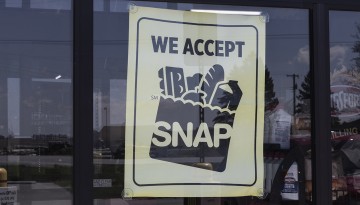
A Cornell-led team found the algorithm behind Google Ads charged far more to deliver online ads to Spanish speakers about the benefits of SNAP, formerly known as food stamps.