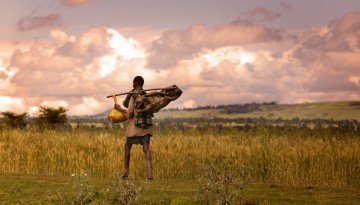
Ceres2030, a global effort led by International Programs in the College of Agriculture and Life Sciences, is employing machine learning, librarian expertise and cutting-edge research analysis to use existing knowledge to help eliminate hunger by 2030.
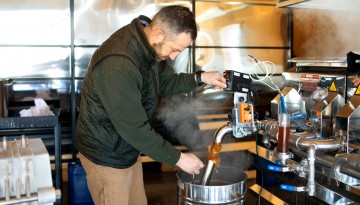
From maple syrup to apple cider to goat's milk soap, New York farms are growing sales in partnership with Cornell Cooperative Extension and Taste NY stores across the state.
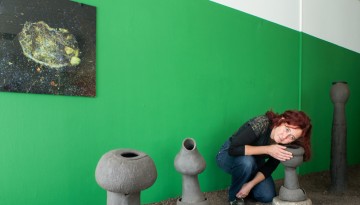
Research projects investigating the sounds of soil bring the fields of soil science, art, bioacoustics, entomology and other disciplines together, and blend creative practice with scientific inquiry.
The Department of Global Development will draw from faculty across the College of Agriculture and Life Sciences to create a unified development studies program.
A Cornell doctoral student is deploying new satellite technology that may be used for space research in the future and help New York farmers make more informed decisions today about growing crops and caring for animals.
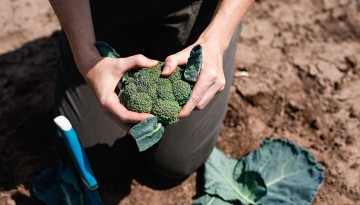
The Eastern Broccoli Project began in 2010 with the goal of growing a $100 million broccoli industry in the Eastern U.S. in 10 years. With two remaining years of funding, Cornell researchers say they are on schedule to meet their goal.
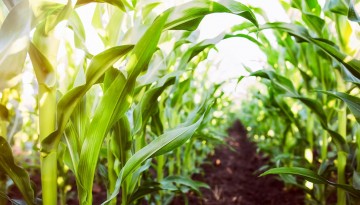
Cornell will lead a new global crop improvement research program to advance plant breeding tools, technologies and methods aimed at delivering staple crops that can increase yields, enhance nutrition and show greater resistance to pests and diseases.
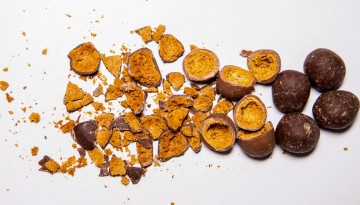
Antithesis, a Cornell student startup, was recently awarded a $225,000 Small Business Innovation Research Phase I award from the National Science Foundation to develop its chickpea-based snack food.
The Department of Entomology on Oct. 19 will host Insectapalooza, an annual extravaganza that aims to take the “creepy” out of “creepy-crawly.” This year’s event is from 9 a.m. to 3 p.m. at Stocking Hall – and it’s free.