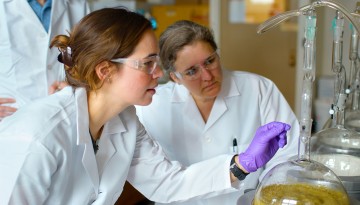
The Cornell Craft Beverage Institute – housed at Cornell AgriTech – offers scientific guidance to more than 1,150 craft breweries, distilleries, wineries and cideries throughout New York.
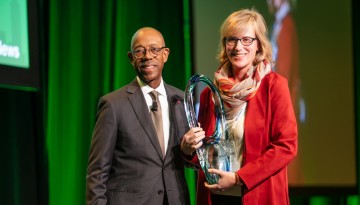
Cornell has been honored for collaborations with farmworkers providing research, policy advocacy and outreach support including workshops, legal and tax assistance, and tutoring.
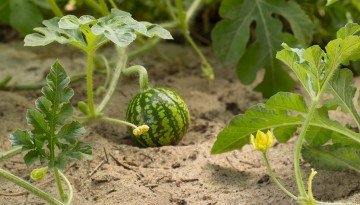
Researchers from the Boyce Thompson Institute have created a resource that could help plant breeders find wild watermelon genes that provide resistance to pests, diseases, drought and other hardships.
Cornell is co-leading a $9.95 million, five-year U.S. Department of Agriculture grant that aims to transform nutrition and water use in the poultry industry in order to improve its environmental impact and enhance human health.
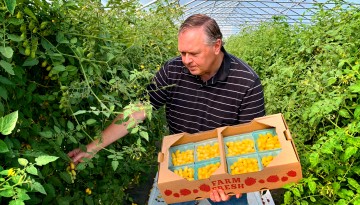
Fresh from Cornell AgriTech, the newest grape tomato – Moonbeam – has joined a constellation of heirloom-style tomatoes in the 2020 High Mowing Organic Seeds catalog Nov. 1.
Finalists in Grow-NY, a business competition for innovative food and agriculture startups, are fanning out through upstate New York to meet with potential business partners as they vie for $3 million in prizes.
In a special Veterans Day episode of CCE’s “Extension Out Loud” podcast, hosts Katie Baildon and Paul Treadwell speak with project coordinator Dean Koyanagi ‘90 on the scope of the Farm Ops project across New York state.
Consumers were more willing to buy unlabeled produce after being shown food tagged as “genetically modified” in a new Cornell study that comes two months before a new federal food-labeling law goes into effect.
The third annual Cornell Digital Agriculture workshop, Oct. 30 in the Statler Hotel, will bring together stakeholders across disciplines to solve the biggest problems in agriculture and food systems.