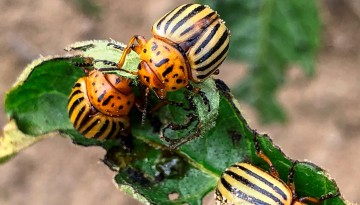
The first sprayable insecticide made of RNA can target and kill ravenous Colorado potato beetles while sparing most beneficial insects, making it a promising environmentally friendly option.
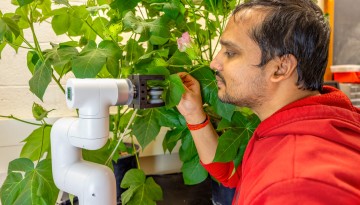
Examples of innovations in plant-human communication are part of a new Cornell University Library exhibit, “Hello, Human! The Emerging Science of Plant Communication and Smart Agriculture,” opening Nov. 6 at Mann Library gallery.
Cornell historian Corey Earle shared stories of remarkable women throughout Cornell’s history during an Oct. 25 brunch as part of the Trustee Council Annual Meeting.
Five professors from across campus will advocate that their discipline is the most important to save for the future in the annual Apocalypse Debate, sponsored by Logos, the undergraduate philosophy journal and club.
Legislative support for solar projects in New York state has increased the price of farmland near energy infrastructure - and could disincentivize the use of the land for farming.
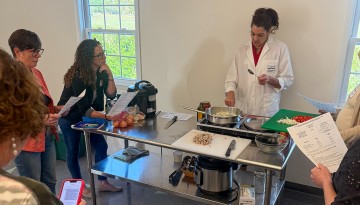
A new Cornell-led training program aims to provide New York food educators and producers with the skills and equipment they need to boost compliance with modern food safety standards and foster the development of innovative food products.
$3 billion in recent private investments in dairy manufacturing have supercharged the need for companies to find new workers. Cornell is helping with extension trainings and bootcamps.
Aplin, a dedicated teacher and mentor whose research and extension work helped food producers, distributors and retailers improve their businesses, died Sept. 17 in Exeter, New Hampshire.