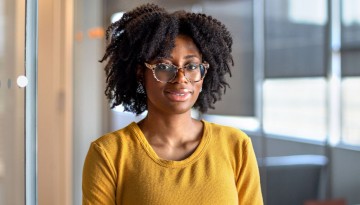
Algorithm uncertainties are just one of several challenges social media content creators face, according to new research led by Brooke Erin Duffy, associate professor of communication.
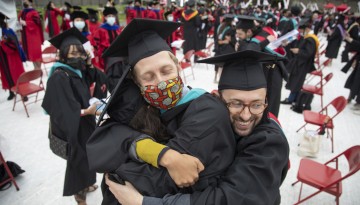
Four Commencement ceremonies were held May 29-30, spaced out to meet health guidelines. Though campus was less crowded, the campus mood was warm and celebratory.
Doctoral student Charlotte Logan is one of six Cobell Graduate Summer Research Fellows for 2021. This fellowship will provide Logan with funding to support her work on Haudenosaunee language revitalization.
A Cornell-led collaboration identified an unusual behavior of superfluid helium-3 when it undergoes a phase transition between two different superfluid states – a transition that theoretically shouldn’t happen reliably.
Leadership, communication, and collaboration skills are essential now and in future careers. For some graduate students, volunteering in the Graduate and Professional Assembly (GPSA) fosters these skills.
For entrepreneurs of color, seed funding can be hard to come by. Anthonia Carter, a doctoral student in the field of information science, is addressing that problem with EGK Starters, which is helping people of color access the venture capital industry.
PARADIM has received a second award of $22.5 million from the National Science Foundation to fund another five years of enabling scientists, engineers and entrepreneurs nationwide to design and create new inorganic materials for use in electronics.
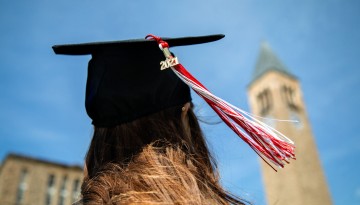
This weekend’s ceremonies for Cornell’s 153rd graduating class will look different due to COVID-19 safety precautions and protocols – but they promise to be as memorable and meaningful as ever.