Students in the Weill Cornell Medical College Class of 2022 learned on national Match Day where they will be doing their internship and residency training – setting the stage for the next several years of their medical careers and lives.
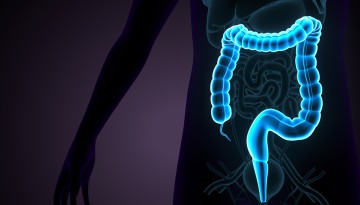
Individual Candida albicans yeast strains in the human gut are as different from each other as the humans that carry them, and some C. albicans strains may damage the gut of patients with inflammatory bowel disease, according to a new study from researchers at Weill Cornell Medicine.
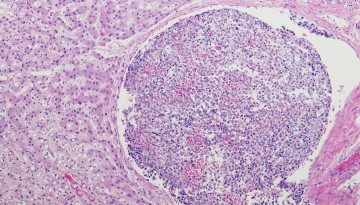
Tumors can use an enzyme called ART1 to thwart antitumor immune cells, making the enzyme a promising new target for immunity-boosting cancer treatments, according to a study from researchers at Weill Cornell Medicine and Albert Einstein College of Medicine.
Meiogenix, a next-generation technology startup that helps agricultural crops find their own genetic solutions, via chromosome editing, has joined Cornell’s McGovern Center incubator.
Most patients with severe COVID who are put on ventilators regain consciousness after removal of respiratory support, but recovery may take weeks after the period of mechanical ventilation has ended, according to a new study.
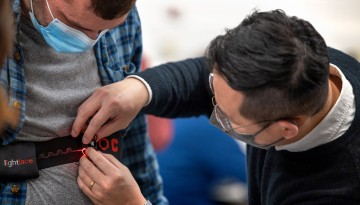
A Cornell startup is working with the Performance Apparel Design Lab to take its wearable sensor technology, which can track the movement of athletes, and use it to monitor pilots undergoing high-gravitational-force training.
Students are invited to enroll now for Cornell’s Summer Session where they can earn up to 15 credits. Courses are offered online, on campus and around the world in three-, six- and eight-week sessions between May 31 and August 2, 2022.