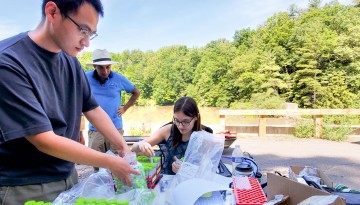
A Cornell-led collaboration used electrochemistry to stitch together simple carbon molecules and form complex compounds, eliminating the need for precious metals or other catalysts to promote the chemical reaction.
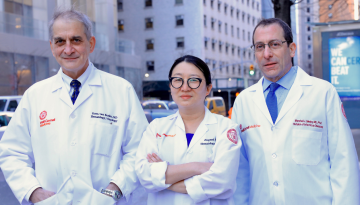
A patient living with HIV who received a blood stem cell transplant for high-risk acute myeloid leukemia has been free of the virus for 14 months after stopping HIV antiretroviral drug treatment, suggesting a cure, according to the Weill Cornell Medicine and New York-Presbyterian physician-scientists who performed the transplant and managed her care.
Weill Cornell Medicine has been awarded a $9.8 million grant from the National Institutes of Health to lead a consortium of health care institutions that are analyzing nationwide health data in an effort to unravel the complexities of long COVID.
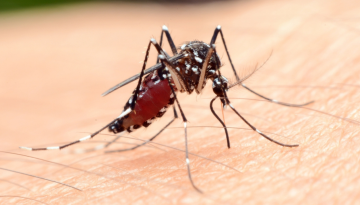
Scientists have uncovered a set of neurons in fruit flies that shut down in cold temperatures and slow reproduction, a system conserved in many insects, including mosquitoes, which could provide a target for pest control.
Ariel Ortiz-Bobea says there is no greater threat to our food supply than climate change. He has been appointed to a USDA advisory panel where he will get to shape policy that leads to solutions.
A specific group of fungi residing in the intestines can protect against intestinal injury and influence social behavior, according to new preclinical research by scientists at Weill Cornell Medicine.
John Cawley, a health economist at the Cornell Jeb E. Brooks School of Public Policy, will help lead an international organization of health economists. As a member of the Board of Directors of the International Health Economics Association, Cawley will help the group apply economics to health and health care systems while also assisting young researchers at the start of their careers.