A consortium of 50 university researchers, including from Cornell Engineering, has established five grand challenges in biomedical engineering, which it said will lay the foundation for a concerted effort to achieve technological and medical breakthroughs.
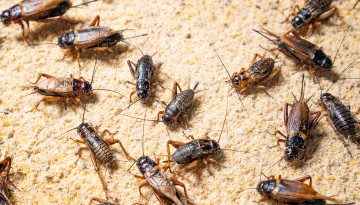
Eating flours, burgers and fitness bars made from crickets, mealworms or black soldier fly larvae could help feed a growing global population sustainably, but it might hit resistance from those who follow halal or kosher regulations.
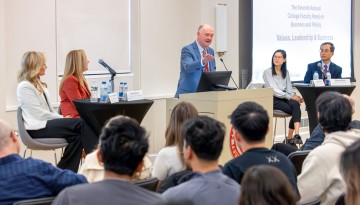
Businesses and society can benefit when leaders keep both personal and companywide values in sight, according to speakers at the seventh annual SC Johnson College of Business Faculty Panel.
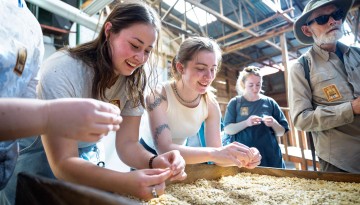
Global development students got hands-on experience with topics from labor conditions to trade policies and the production of specialty crops such as flowers, pineapples and coffee.
Eight projects have been selected from the Fall 2023 application cycle to receive Ignite Innovation Acceleration grants. The grants are designed to help project teams pursue licensing, form startups, and forge industry collaborations.
Feline-centric chatbot connects cat owners with credible, science-based information in a novel way. Users can ask the chatbot questions, get to the answers quickly and ask follow-up questions – or even play games.
The annual Dragon Day parade on March 29 is expected to feature a grunge-inspired Dragon designed by first-year architecture students to expand and contract before fully unfurling its wings on the Arts Quad.