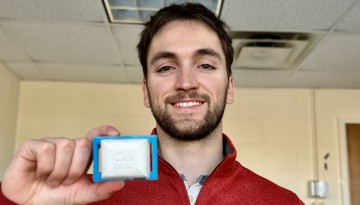
While at Bell Labs, M. Douglas McIlroy '53 participated in the genesis of the Unix operating system. His contributions were a radical change from the way programs were written in the 1950s and 1960s and are ubiquitous in computer programs today.
The new Accelerator Scholars Program in the Cornell SC Johnson College of Business connects first-generation Dyson and Nolan freshmen and sophomores with student and industry mentors.
Specialized nursing facility clinicians, or SNFists, may decrease the likelihood of nursing home residents experiencing stressful hospitalizations and improve the quality of life in their last days, according to researchers from Weill Cornell Medicine.
Mistrust of medical science during the pandemic is the rule, not the exception, of public perception of mainstream medicine historically, said Lewis A. Grossman, an American University law professor, in a lecture March 13 at Weill Cornell Medicine.
“Solar Eclipses: From Fear to Knowledge” features a 480-year-old Copernicus manuscript, historical photographs and other materials from the library’s Rare and Manuscript Collections.
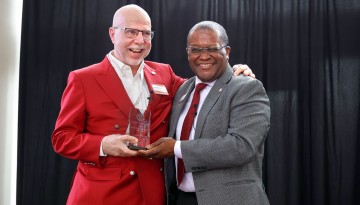
James McCormick ’69, M.Eng. ’70, an influential business leader, philanthropist and longtime supporter of education initiatives at Cornell and nationally, received the Cornell Engineering Distinguished Alumni Award during a celebration event on March 7 in Duffield Hall.
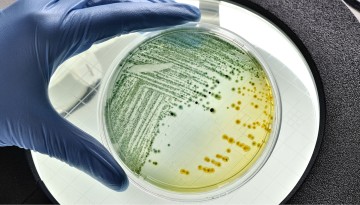
The research reveals how dietary tryptophan – an amino acid – can be broken down by gut bacteria into small molecules called metabolites that ultimately keep E. coli from colonizing in the gut.