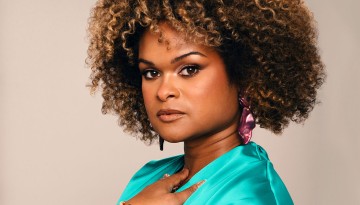
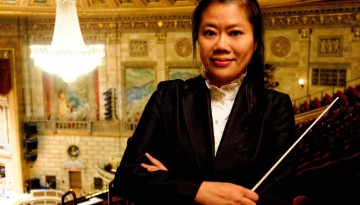
Raquel Willis, an award-winning activist, journalist and media strategist dedicated to collective liberation, especially for Black trans individuals, will deliver the keynote speech at Cornell’s Inclusive Excellence Summit on March 26.
On March 13, the Department of Near Eastern Studies in the College of Arts and Sciences will host “Academic Freedom and Middle East Scholars after Oct. 7,” one of Cornell’s Freedom of Expression theme year events.
Cartoonist Pedro X. Molina, currently a visiting critic in the Einaudi Center, challenges Nicaragua’s dictatorship with a daily cartoon. In 2023 he was honored with the Václav Havel International Prize for Creative Dissent.
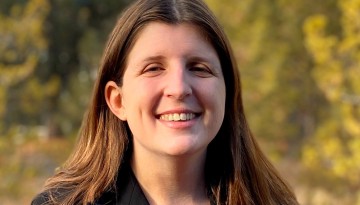
Emma Pierson, assistant professor of computer science at the Jacobs Technion-Cornell Institute at Cornell Tech, has been awarded an AI2050 Early Career Fellowship from Schmidt Sciences for her work seeking to use AI to promote equity.
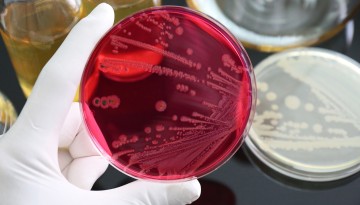
A study of more than 5,000 salmonella bacteria isolated over 15 years from dairy cattle samples in the Northeast reveals a significant increase in resistance to the antimicrobial medications ampicillin, florfenicol and ceftiofur.