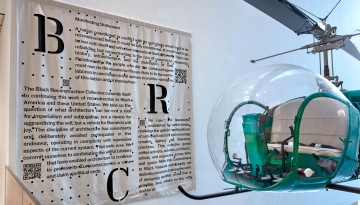
Renowned architect Mabel O. Wilson, widely recognized for her explorations of race, historical narratives, archives and the built environment, will visit campus as an A.D. White Professor-at-Large for a series of talks, classroom visits and seminars from March 4-8, including a keynote lecture on March 7.
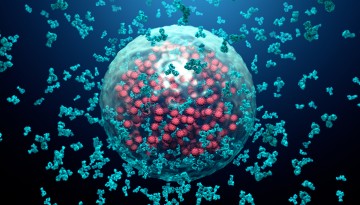
Scientists have long believed that a newborn’s immune system was an immature version of an adult’s, but new research shows that newborns’ T cells – white blood cells that protect from disease – outperform those of adults at fighting off numerous infections.
Thorsten Joachims and Andrew Myers, two faculty members in the Cornell Ann S. Bowers College of Computing and Information Science and leading researchers in the field of computer science have each received named professorships.
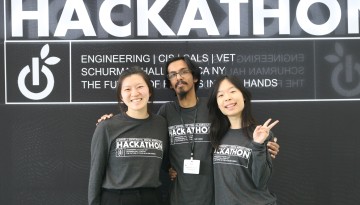
More than 120 students took part in the Digital Agriculture Hackathon, sponsored by the Cornell Institute for Digital Agriculture and Entrepreneurship at Cornell.
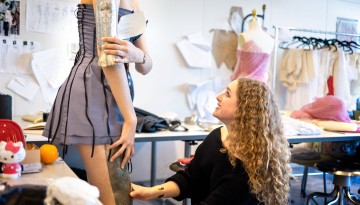
Undergraduate designers will make their fashion statements, and in many cases take a big career step, in the Cornell Fashion Collective’s 40th Spring Runway Show, to be held March 2 at 7 p.m. in Barton Hall.
William B. Streett, who was recognized for changing the culture of undergraduate studies as dean of Cornell Engineering, died Feb. 5 in Cincinnati. He was 92.
A systematic analysis of 40 years of studies on public crop breeding programs found that cereal grains receive significantly more research attention than other crops important for food security and only 33% of studies sought input from both men and women.
The Cornell United Way President’s Leadership Association recognized donors who have contributed $1,000 or more to Cornell’s 2023 United Way campaign during a reception held Feb. 20 at Moakley House.