A symposium sponsored through the new Academic Integration Initiative aimed to link together collaborative research and discovery across Weill Cornell Medicine, Cornell Tech and Cornell’s main campus in Ithaca.
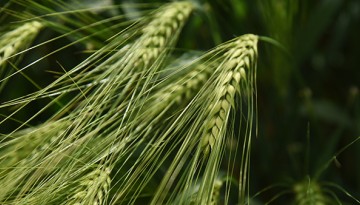
Researchers are leading a multiyear project aimed at bringing malting barley back to New York and helping farmers take advantage of opportunities offered by the crop.
The Mario Einaudi Center for International Studies has awarded five seed grants and four small grants to support faculty members' international research.
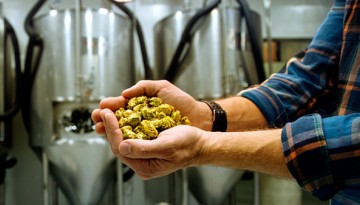
Cultivating hops in New York state has its challenges, mainly from pests and two pervasive diseases, and Cornell researchers are lending a hand to new growers.
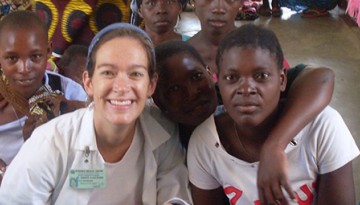
Adadot Hayes ’64 said she will never forget Jeffrey, a baby born with Trisomy 13, a chromosomal condition that left him without eyes, with a cleft palate and a host of other problems.
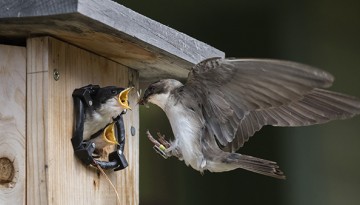
Maren Vitousek, assistant professor of ecology and evolutionary biology, has received a $500,000 Defense Advanced Research Projects Agency Young Faculty Award to study links between stress, social connectedness, health and future performance.