Fungal biologist Lori Huberman will use a $1.9 million grant from the National Institutes of Health to study how fungi sense and use nutrients, basic research with potential applications for treatment of cancer, obesity, Type 2 diabetes and fungal infections.
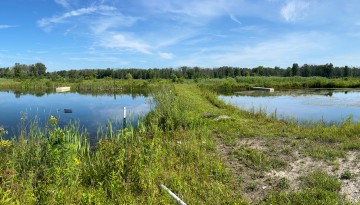
Though human-made ponds both sequester and release greenhouse gases, when added up, they may be net emitters, according to two related studies by Cornell researchers.
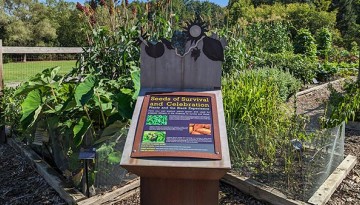
The exhibition "Seeds of Survival and Celebration: Plants and the Black Experience" returned for a second season with an expanded plant collection, which honors the lasting influence of the formerly enslaved and their descendants on American culture.
The newly upgraded Linac Coherent Light Source X-ray free-electron laser at the Department of Energy’s SLAC National Accelerator Laboratory has produced its first X-rays, and researchers are ready to kick off an ambitious science program.
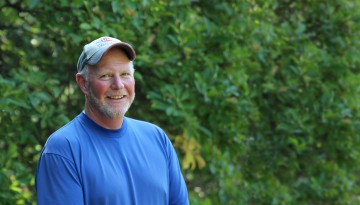
Cornell University Agricultural Experiment Station (Cornell AES) employee Rick Randolph has been chosen as the new manager of the Homer C. Thompson Vegetable Research Farm in Freeville, NY.
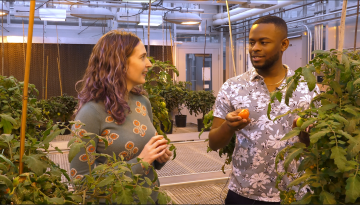
CROPPS is partnering with Molly Edwards, the scientist and communicator behind Science IRL, on a series of videos that elucidate the center's groundbreaking research on communicating with plants.
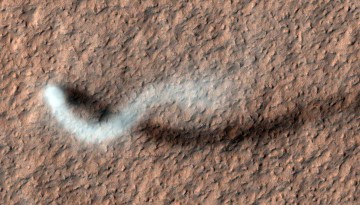
The National Academies’ latest decadal survey, “Thriving in Space,” released Sept. 12, provides a roadmap for biological and physical sciences research, from the low orbit of Earth to the surface of Mars, through 2033.
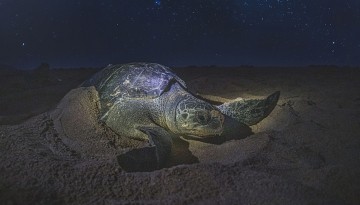
A new study led by Colleen Miller, Ph.D. ’23, suggests light pollution’s effects on coastal marine ecosystems are negatively impacting everything from whales and fish to coral and plankton.