Cornell biomedical engineers have found natural triggers that can override developmental, biological miscues – research that could reduce the chance of congenital heart defects.
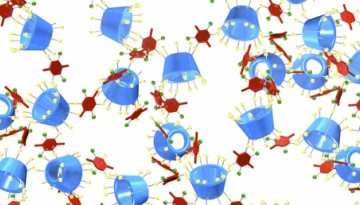
A team of Cornell researchers has used cyclodextrin, the same material found in the air freshener Febreze, to develop a technique that could revolutionize the water-purification industry.
A Cornell graduate student employed two-pulse photovoltaic correlation to measure the speed of his team's ultrafast photodetector in research published in Nature Communications, Nov. 17.
Cornell hopes to bring nanotech to young students in the area with the establishment of CNF Ambassadors, an outreach program being run by the Cornell NanoScale Science and Technology Facility.
A highly visible dog ear tag to mark and monitor treated and untreated strays is being developed by Cornell engineering and fiber science faculty though the Atkinson Center for a Sustainable Future.
According to new research from Weill Cornell Medicine, pre-existing lung inflammation may increase the risk that cancers beginning elsewhere will spread to that organ, suggesting new therapies.
The Southern Tier Regional Economic Development Council has won $500 million over the next five years in New York's Upstate Revitalization Initiative. Cornell will be involved in about $100 million worth of key projects funded by the grant.
Human Ecology students unveiled apparel and product ideas designed to help seniors prevent falls and minimize harm, stay warm and alert in winter, and achieve greater mobility and independence.