Four undergraduates are working with a professor this summer to research how forests cycle and store carbon and nutrients in trees, microbes, and soil, and how these processes respond to changes in climate, air pollution and disturbances.
A New York state survey, supported by Cornell bee experts, finds that more than half of important native pollinators may be at risk of disappearing from the state – potentially threatening crops, wildflowers and insect diversity.
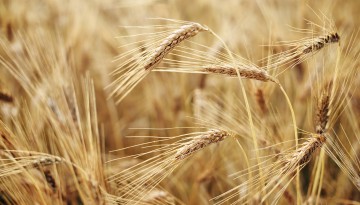
Adjusting the sowing dates for wheat in eastern India will increase untapped potential production by 69%, new research shows, helping to ensure food security and farm profitability as the planet warms.
New research in biomechanics measures the impact of head-first, hand-first and feet-first diving and the likelihood of injury at different diving heights.
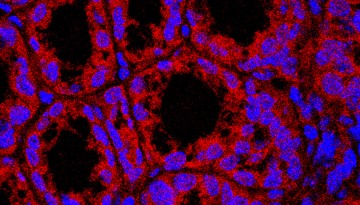
Sphingolipids – prominent molecules produced by bacteria in the gut microbiome – appear to ameliorate a problematic fatty liver, according to new Cornell nutrition research.
Nexus Scholars working this summer with Juno Salazar Parreñas are studying how human health is intricately connected to the health of animals, plants and the environment.
Extreme heat threatens to reverse progress made in combating early child malnutrition as the planet continues to warm, according to Cornell research focused on five West African nations.