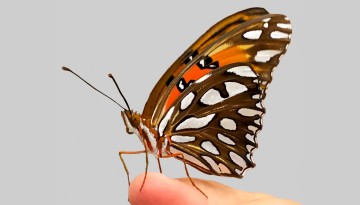
Butterfly wing patterns have a basic plan to them, which is manipulated by non-coding regulatory DNA to create the diversity of wings seen in different species, according to new research.
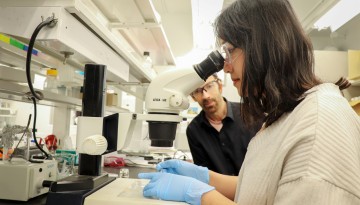
The research from the Boyce Thompson Institute focuses on neurotransmitter serotonin, which carries messages between nerve cells and is thought to play a role in several mental health conditions.
Changing the wording about expiration dates on perishable food items – which is currently unregulated and widely variable – could help reduce food waste, according to a new Cornell-led study.
Efficient pricing will be crucial to minimize energy costs for private operators who provide on-the-highway wireless charging for electric cars – and for consumers who will use this service.
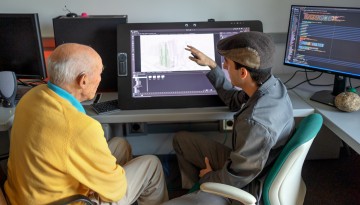
At 88 years old, professor Don Greenberg ’55 is still on the cutting edge: He’s launched a new undergraduate and graduate course for students in both architecture and computer science, “Design in the Age of Digital Twins.”
Taxes on elites earmarked for public safety have provided windows of opportunity in Latin America and a blueprint for state-building efforts across the developing world, Gustavo Flores-Macías argues in a new book.
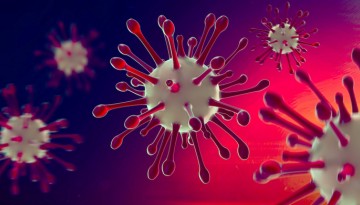
A highly innovative method using the latest technology opens myriad new avenues for research, for understanding the biology behind COVID-19, and for identifying new treatments that target protein binding sites.
The Cornell University Borehole Observatory provides a platform to directly study the temperature, permeability and other characteristics of the rock deep beneath the Ithaca campus – factors that will help the university determine whether to move forward with a proposed plan to warm the Ithaca campus with Earth Source Heat.