Misperceptions of marginalized and disadvantaged communities’ level of concern regarding COVID-19 and other issues could undermine cooperation and trust needed to address collective problems, according to new Cornell-led research.
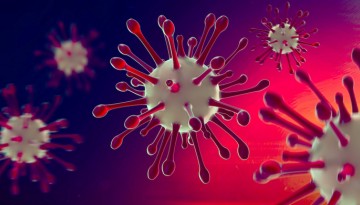
Cornell researchers have identified a shift that occurs in canine coronavirus that points to a possible pattern of change found in other coronaviruses and which may provide clues to how they transmit to humans from animals.
Clean energy entrepreneurs and startups find an innovative, powerful ecosystem at Cornell that supports the transition to a sustainable, decarbonized economy.
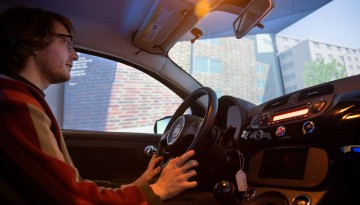
Cornell Tech researchers have developed a mixed-reality driving simulator system that could lower the cost of testing vehicle systems and interfaces, such as the turn signal and dashboard.
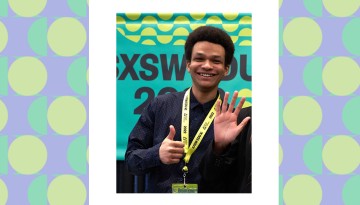
"I saw what I am capable of when I am challenged" - that's what University of Buffalo freshman Donovan Blount says about a course developed at Cornell by two professors in the Jeb E. Brooks School of Public Policy. The leader of a national education equity organization says professors Maria Fitzpatrick and Matthew Hall are "academic heroes."
An analysis of the 500 largest city water systems in the U.S. found private ownership contributed to significantly higher water bills and lower affordability for low-income households.
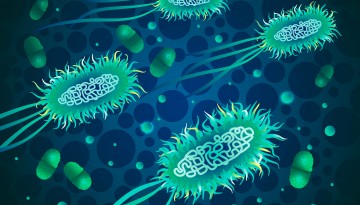
A multi-year study of the role of E. coligut bacteria in Crohn’s disease finds that intestinal inflammation liberates chemicals that nourish the bacteria’s growth and promotes their ability to cause inflammation.
Over the next 10 years, the nation’s top planetary scientists are proposing exploratory voyages to the frigid, distant solar-system planet Uranus and the icy Saturnian moon Enceladus.