Research by Cornell Institute for Public Affairs students highlights unsustainable cost increases challenging rural ambulance services in upstate New York and beyond, and offers solutions.
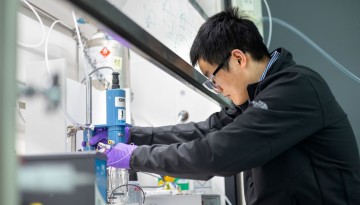
In making hydrogen a viable, clean-energy alternative to carbon-based fuels, Cornell and two research-startups have joined a consortium that aims to propose a Northeast research hub.
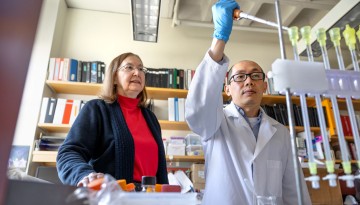
A Cornell study describes a breakthrough in the quest to improve photosynthesis in certain crops, a step toward adapting plants to rapid climate changes and increasing yields to feed a projected 9 billion people by 2050.
Armed drone strikes earn more public support and legitimacy when they have approval from international organizations, according to a survey conducted by Cornell researchers.
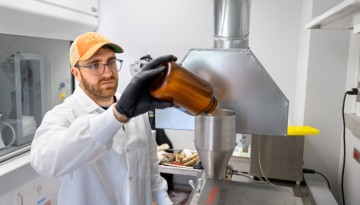
As consumers want fewer food preservatives and less plastic waste, Cornell scientists have created a bioderived polymer that helps salad dressings and beverages last longer in the fridge.
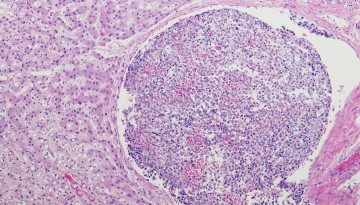
New cancer cell research opens a new avenue for understanding how tumors spread to other tissues via metastasis, and hints at novel ways to block the spread of cancer by targeting the process.
The research shows Russia applied the tactics it uses on its own people to try to influence the 2016 U.S. presidential campaign; the work has implications for the 2022 midterm elections.