Researchers developed an algorithm that shows just how much more effective Spotify would be if it incorporated both likes and dislikes, in the style of platforms like Pandora.
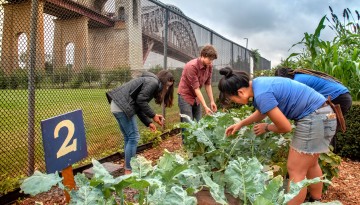
Cornell Cooperative Extension supports residents of every borough in New York City, thanks to its long-standing community relationships and faculty research and expertise.
Births declined 7.1% in the United States during the early months of the COVID-19 pandemic, according to a Cornell-led study just published in the Proceedings of the National Academy of Sciences.
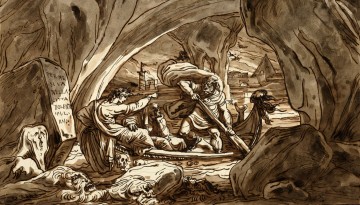
The new show celebrates the enduring legacy of the Italian poet and showcases Cornell’s Fiske Dante Collection, one of the most significant collections of its kind in the U.S.
New York City’s app-based delivery workers regularly face nonpayment or underpayment, unsanitary or unsafe working conditions and the risk of violence, according to a new ILR School report.
Over a million hours of sound recordings are available from the Elephant Listening Project (ELP) in the K. Lisa Yang Center for Conservation Bioacoustics at the Cornell Lab of Ornithology – a rainforest residing in the cloud.
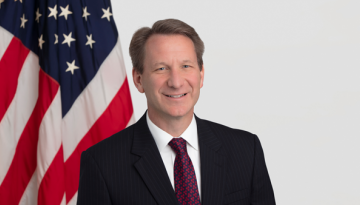
Dr. Norman Sharpless, director of the National Cancer Institute at the NIH, will give this semester’s Distinguished Lecture in Cancer Biology Sept. 24 from noon-1 p.m.
Recent doctoral graduates Sadia Shirazi, Ph.D. ’21, and Dexter Lee Thomas, Ph.D. ’20, have been named Emerging Voices Fellows by the American Council of Learned Societies.
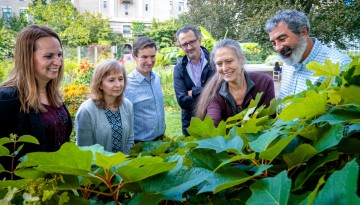
The new Center for Research on Programmable Plant Systems, or CROPPS, funded by a five-year, $25 million National Science Foundation grant, aims to grow a new field called digital biology.