Eight exceptional early-career scholars in the sciences, social sciences and humanities will pursue independent research at Cornell as recipients of Klarman Postdoctoral Fellowships.
With Cornellian help, NASA's Mars 2020 mission’s Perseverance craft zips through space at 48,000 mph to our neighboring red planet. It is scheduled to land Feb. 18.
New research has found that when considering candidates for a position in a male-dominated field, individuals consistently included more women on longer “short lists.”
Working with a “star” employee – someone who demonstrates exceptional performance and enjoys broad visibility relative to industry peers – offers both risks and rewards, according to new research from the ILR School.
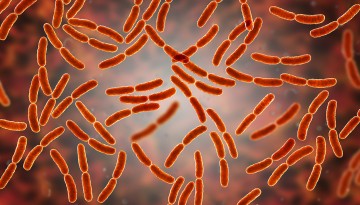
The discovery of an “Achilles’ heel” in a type of gut bacteria that causes intestinal inflammation in patients with Crohn’s disease may lead to more targeted therapies for the difficult-to-treat disease, researchers have found.
Those familiar parking lot, french-fry birds are not doing so well. A new study from the Cornell Lab of Ornithology finds even the ubiquitous House Sparrow is declining.
The grant will support development of the database, which collects and compiles fugitive slave advertisements from 18th- and 19th-century U.S. newspapers.
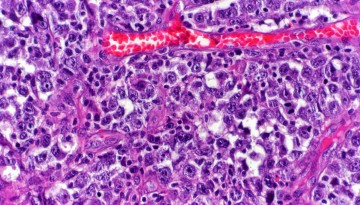
The environment surrounding the cells of a lymphoma tumor has a strong influence on the progression of these blood-cell cancers and their responses to therapies, according to a new study by Weill Cornell Medicine investigators.
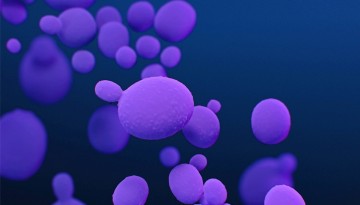
Common fungi, often present in the gut, teach the immune system how to respond to their more dangerous relatives, according to new research from scientists at Weill Cornell Medicine.