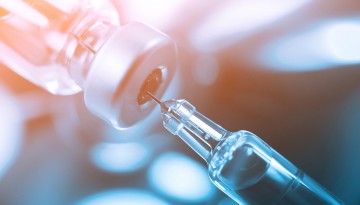
Researchers devised a new method of using extracts to create shelf-stable vaccines on demand, a potentially game-changing approach to fighting infection in regions that have limited access to such medicines.
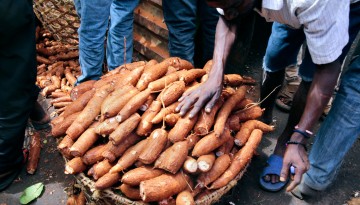
A $2.65 million gift to support Cornell and partner research in Tanzania will improve distribution of new and more resistant varieties of cassava while empowering women and marginalized groups in the East African nation.
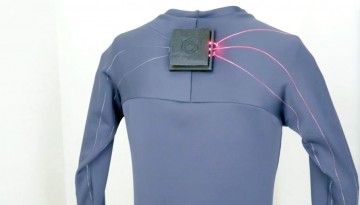
Cornell Engineering startup Organic Robotics Corporation and its stretchable sensing technology, Light Lace, topped a field of four finalists to win the sixth annual NFL 1st & Future competition, sponsored by the National Football League.
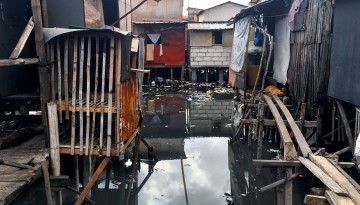
In coastal regions of the Philippines, ties to the community motivate most people to stay in their homes despite the risks of frequent, severe floods, Cornell research finds.
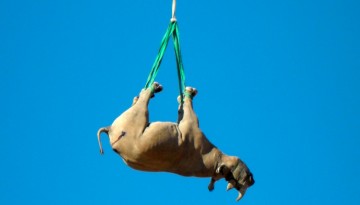
When moving endangered rhinoceroses in an effort to save the species, hanging them upside down by their feet is the safest way to go, new research from College of Veterinary Medicine has found.
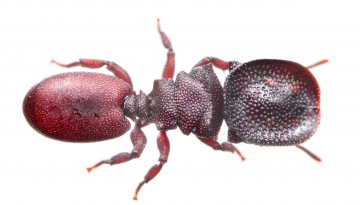
Gut bacteria in a species of herbivorous ant play a major role in processing nutrients that allow the ants to build tough exoskeletons, an international team of researchers has found.
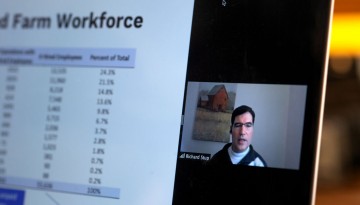
Richard Stup, agricultural workforce specialist, analyzed the key issues facing New York state farmers this year during Dyson's 2021 Agricultural and Food Business Outlook Conference, held virtually Jan. 25.
Organic Robotics Corporation, a Cornell engineering startup founded in 2018, is in the finals the sixth annual NFL 1st & Future competition, airing Feb. 2 at 8 p.m. EST on the NFL Network.
Professor Iwijn De Vlaminck is working on using cell-free DNA – discarded scraps of DNA – as a way of gaining understanding of COVID-19’s effects on the organs of children who've been exposed to the SARS-CoV-2 virus.