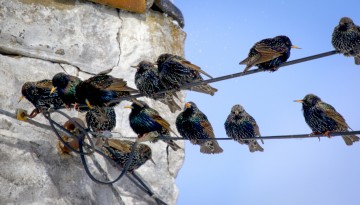
A new study examines what happened at the genetic level as the nonnative starling population exploded from just 80 birds in 1890, to a peak of 200 million breeding adults in North America.
Cornell and WWF will host a virtual conference Feb. 23 focused on the link between humans and wildlife, and the subsequent prevention of future pandemics.
The long period of helplessness in human babies and other species, long thought to be a drain on resources, is actually an evolutionary advantage, Cornell researchers say.
Two New York state companies have been chosen to participate this spring in the Cornell Center for Materials Research JumpStart Program, through which they will collaborate with faculty members to develop and improve their products.
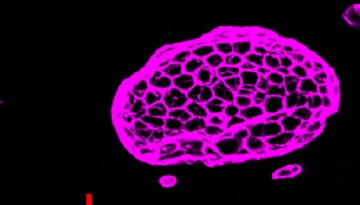
A type of cell widely used for brain research and drug development may have been leading researchers astray for years, according to a study from scientists at Weill Cornell Medicine and Columbia University.
Poor function of the gene SMC3 can lead to improper immune cell development, and to cancer, by disrupting how DNA is structured inside the cell nucleus, according to new research from Weill Cornell Medicine.
As CCSS fellows, a dozen faculty members representing seven colleges and schools will pursue ambitious research projects on issues ranging from political polarization to environmental justice.
Cases of symptomatic COVID-19 were extremely low among children and staff at a network of North Carolina YMCA day camps that took precautions like masking and physical distancing, researchers have found.
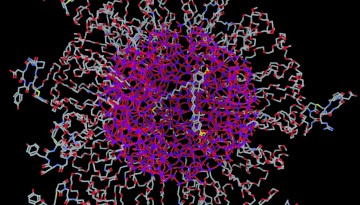
Elucida Oncology, a biotechnology company based on C Dots – ultra-small nanoparticles developed at Cornell that show promise in identifying and fighting cancer – recently secured $44 million in financing.