Carla P. Gomes, the Ronald and Antonia Nielsen Professor of Computing and Information Science, is the recipient of the 2021 Feigenbaum Prize, given by the Association for the Advancement of Artificial Intelligence.
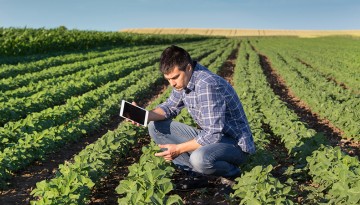
An app that would maximize profit and minimize food spoilage and loss across the agriculture supply chain was named the grand prize winner in the third annual Cornell Institute for Digital Agriculture Hackathon.
A team led by a Boyce Thompson Institute researcher has identified genes enabling peaches and their wild relatives to tolerate stressful conditions – findings that could help the domesticated peach adapt to climate change.
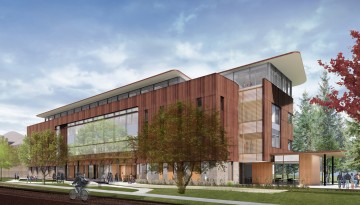
A $30 million commitment from David R. Atkinson ’60 and Patricia Atkinson will name a new multidisciplinary building on campus, intended to foster innovative and collaborative research in key university priority areas.
New research from the ILR School shows how technology has further eroded the employer/worker relationship by making it easier to outsource work to temp agencies.
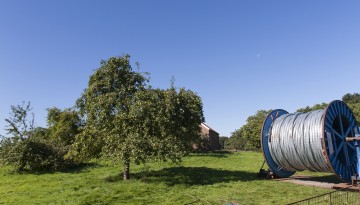
Even when grants fund network construction, high operating costs pose significant challenges for rural broadband cooperatives seeking to expand access, according to new research from the Charles H. Dyson School of Applied Economics and Management.
Working to address a knowledge gap, the College of Human Ecology launched the Data Science and Programming Curriculum Initiative to teach students how to use data and technology in their respective disciplines.
According to new research, having college-bound friends increases the likelihood that a student will enroll in college but that effect is diminished for Black and Latino students.