An analysis of high-speed raindrops hitting biological surfaces such as feathers, plant leaves and insect wings reveals how these highly water-repelling veneers reduce the water’s impact.
According to Weill Cornell researchers, epidemiological models of COVID-19 should take into account the special dynamics of the coronavirus’s spread in nursing homes and other long-term care facilities.
New smart parking software developed by Cornell researchers could reduce congestion and emissions while saving drivers the time of circling to look for available spots.
The Cornell Center for Social Sciences has awarded $118,000 in spring grants supporting ambitious research projects and conferences involving two-dozen faculty members and resarchers.
A research team led by Jeongmin Song from the College of Veterinary Medicine was able to vaccinate mice effectively against tyhpoid by exposing them to a closely related bacteria.
Bacteria are growing increasingly antibiotic-resistant, but new research reveals how certain enzymes could be exploited to develop new classes of drugs to fight bacterial infections.
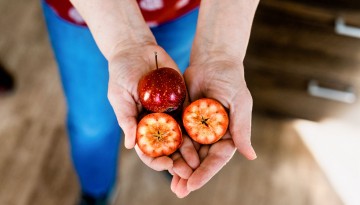
Innovative plant breeders at Cornell’s College of Agriculture and Life Sciences are creating new fruits and vegetables that wow consumers, have longer growing seasons and are more resistant to diseases, insects and weather.
Cornell researchers have demonstrated a technique for writing, erasing and rewriting microscopic magnetic patterns – think the world's tiniest Etch A Sketch – that could advance research into ultrafast computer memory.
New research from Hening Lin, professor of chemistry and chemical biology in the College of Arts and Sciences, finds that a protein called TiPARP acts as a tumor suppressor.