Cornell researchers have developed a soft robotic device that gently grips and injects living plant leaves with sensors that help it detect and communicate with its environment. The robot can also inject genetic material into the leaves.
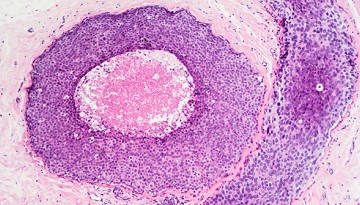
Researchers at Weill Cornell Medicine and Memorial Sloan Kettering Cancer Center provide fresh insights about how cancers evolve when they metastasize – insights that could aid in developing strategies to improve the effectiveness of treatment.
Cornell researchers have discovered a new cell signaling pathway involved in ovulation, a potential target for future research on infertility, contraception and ovarian disease.
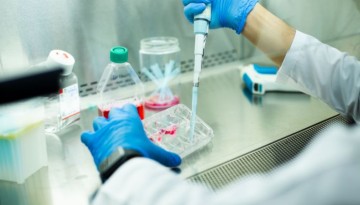
A clinical trial in patients with advanced breast cancer has found the use of liquid biopsy blood tests for early detection of a treatment-resistant mutation, followed by a new type of treatment, substantially extends the period of tumor control.
A project examining how to help companies hire neurodivergent people has received a termination order, halting work that could have helped autistic people find jobs and employers find talent.
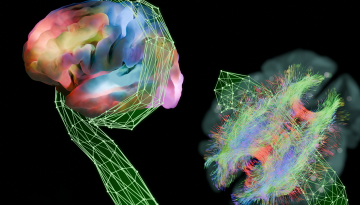
Using an algorithm they call the Krakencoder, researchers at Weill Cornell Medicine are a step closer to unraveling how the brain’s wiring supports the way we think and act.
Gallox Semiconductors, a startup with Cornell Roots, won the 2025 Hello Tomorrow Global Challenge in the Advanced Computing & Electronics category. A member of the Praxis Center for Venture Development, Gallox is one of several semiconductor startups launched at Cornell.
Cornell researchers developed a new way to safely heat up specific areas inside the body by using biodegradable polymers that contain tiny water pockets, a technology that could lead to precise and noninvasive diagnostics and therapeutics.
Cornell geochemists and synthetic biologists have collaborated to improve the efficiency of microbes that can dissolve rocks to extract critical minerals while speeding carbon sequestration from air.