This is the second in a series of stories detailing actions CALS students, faculty and staff have taken over the past year to make our community a more diverse, equitable and inclusive place for everyone. Here, we…
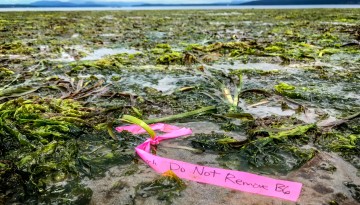
In an oceanic omen for climate change’s intensifying effects, Cornell-led research shows that seagrass suffers from a wasting disease and root-system deterioration.
New York State high school students can now apply for the 2022 New York Youth Institute, an educational program dedicated to tackling the biggest challenges facing people and the planet in the 21st century.
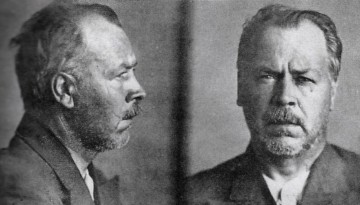
A new Mann Library exhibit, “Cultivating Silence: Nikolai Vavilov and the Suppression of Science in the Modern Era,” pays tribute to pioneering plant scientist Nikolai Vavilov and serves as a reminder of the threat of political censorship and persecution.
Brooke Erin Duffy, associate professor of communication in the College of Agriculture and Life Sciences, is co-author of “Platforms and Cultural Production,” which explores the processes and implications of platformization in cultural industries.
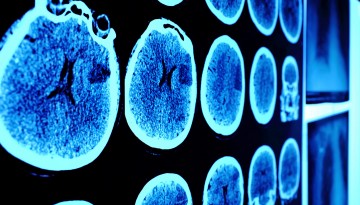
Cornell BrAIn, initiated and led by the College of Arts & Sciences, will host a two-day symposium Dec. 9-10, bringing together innovators in Artificial Intelligence (AI) and neuroscience.
A livestock genome repository of living stem cell cultures could preserve livestock diversity to ensure sustainability and resilience in the face of climate change.
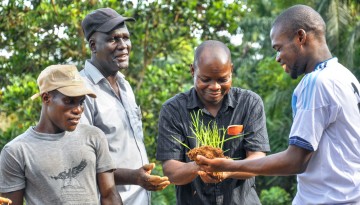
A Cornell program is playing a key role in a project to make rice more resilient to climate change and increase production in West Africa, thanks to a four-year, $14 million grant from the Adaptation Fund.
The nine undergrads will be arriving on campus through December, thanks to robust international and cross-campus collaborations. Cornell has pledged support until they graduate.