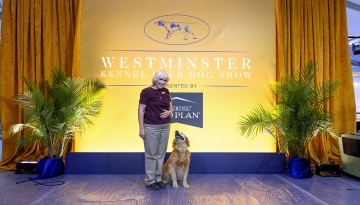
Lisa Mitchell, a licensed veterinary technician with the College of Veterinary Medicine, brought her golden retriever to compete at this year’s Westminster Kennel Club Dog Show, where CVM representatives provided on-site care for the elite breeds.
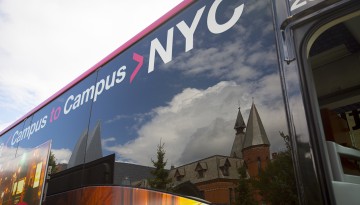
Activities beyond campus – such as business air travel, student commutes and purchases like lab equipment – account for more than 60% of Cornell’s carbon emissions, according to a new analysis.
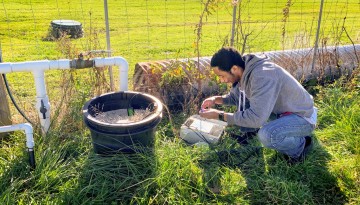
A new study shows how digital ag may be unintentionally creating problems for farmers, and found that enabling farmers to tinker with their own systems and involving them early in the design process could better translate technology from the lab to the field.
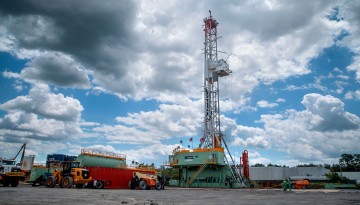
Cornell is one step closer to determining the feasibility of using deep geothermal energy to heat the Ithaca campus now that drilling has commenced for the Cornell University Borehole Observatory.
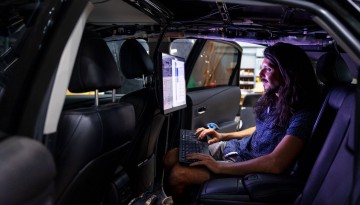
Researchers at Cornell Bowers CIS and the College of Engineering have produced three concurrent research papers on autonomous vehicles’ ability to create “memories” of previous experiences and use them in future navigation.
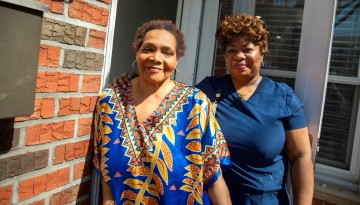
A multidisciplinary team of Cornell researchers is collaborating to elevate the value of home care workers while improving their working conditions and patient outcomes.
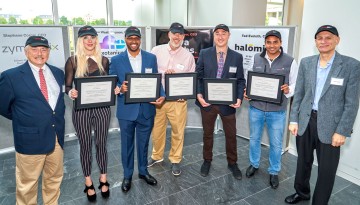
As the pandemic pomp and COVID circumstances dissipate, Cornell’s McGovern Center and Praxis Center incubators graduated five startups, putting them on the road to success.
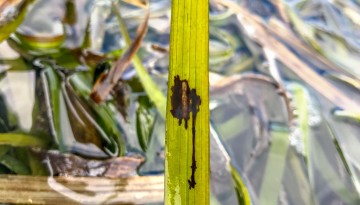
A combination of ecological field methods and AI has helped an interdisciplinary research group detect eelgrass wasting disease from San Diego to southern Alaska, and determine that it’s caused by warmer-than-normal water temperatures.
A collaboration led by Eun-Ah Kim, professor in the College of Art and Sciences, employed machine learning to analyze a massive dataset from a quantum metal to settle a debate about this material.