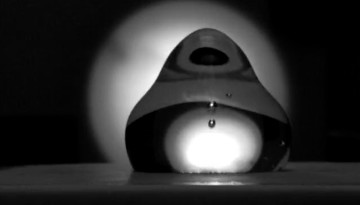
An experiment on the International Space Station has given Cornell researchers fresh insight into the ways that water droplets oscillate and spread across solid surfaces.
A team led by Greeshma Gadikota from the College of Engineering was named a finalist for a national prize to domestically extract lithium – an essential ingredient for a greening world.
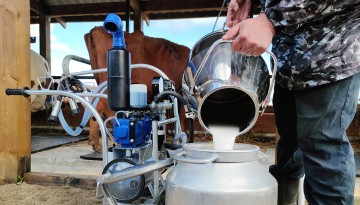
Rising temperatures pose major challenges to the dairy industry – a Holstein’s milk production can decline 30 to 70% in warm weather – but a new Cornell-led study has found a nutrition-based solution to restore milk production during heat-stress events, while also pinpointing the cause of the decline.
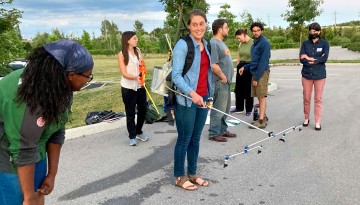
Cornell’s undergraduate Weed Team won first place, while Megan Wittmeyer ’22 earned a top individual award, at the Northeastern Weed Science Society Collegiate Weed Science Contest.
Mildred Warner, professor of city and regional planning in the College of Architecture, Art and Planning and global development in the College of Agriculture and Life Sciences, has been honored for her work to promote age-friendly communities and public health in Tompkins County, New York.
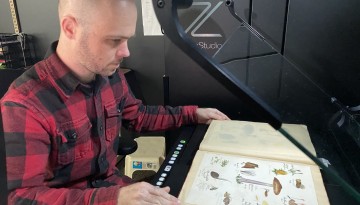
Xiangkun (Elvis) Cao, Ph.D. ’21, and Berit H. Goodge, Ph.D. ’22, were selected as 2022 Schmidt Science Fellows. As fellows, they will take on postdoctoral placements focused on collaborative, interdisciplinary research.
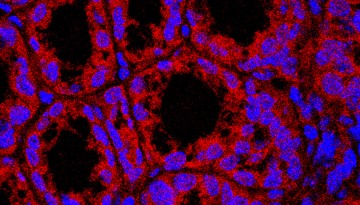
Sphingolipids – prominent molecules produced by bacteria in the gut microbiome – appear to ameliorate a problematic fatty liver, according to new Cornell nutrition research.
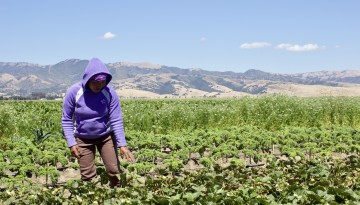
Larger organic farms operate more like conventional farms and use fewer sustainable practices than smaller organic farms, according to a new study that also provides insight into how to increase adoption of sustainable practices.