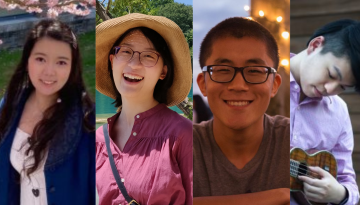
Eight graduate students were awarded 2022 Hsien and Daisy Yen Wu Scholarships. These scholarships recognize graduate students for their academic ability, performance and character as well as financial need.
A Cornell-led collaboration used electrochemistry to stitch together simple carbon molecules and form complex compounds, eliminating the need for precious metals or other catalysts to promote the chemical reaction.
Biologist Alex Flecker and computer scientist Carla Gomes co-led a project that employed AI and around 40 researchers in an attempt to determine optimal placement of around 350 hydropower dams in the Amazon river basin.
A group of graduate students from Cornell is collaborating with students across the country to create a scholarly podcast focused on issues of diversity in archaeology.
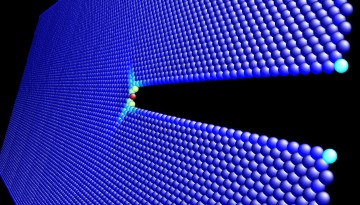
Researchers made a breakthrough in understanding how some materials break. Their discovery could help engineers better anticipate a material’s behavior and design novel alloys that resist fatigue.
Cornell computer scientists have developed a new framework to automatically draw “underground maps,” which accurately segment cities into areas with similar fashion sense and, thus, interests.
The Cornell Center for Cultural Humility facilitates culturally responsive research, practice and policy that is inclusive across race, ethnicity, class and other markers of identity.
Bhargav Sanketi won the Council of Graduate Schools Three Minute Thesis (3MT) competition. 3MT challenges graduate students to present their thesis research compellingly to general audiences in just three minutes.
Twenty-six students with businesses ranging from drinking water treatment to alternative medicine to kitchen robots, received fellowships to work on their businesses this summer.