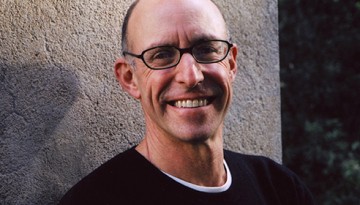
Author Michael Pollan described his journey as a writer about food and nature, beginning with his first book about gardening, April 27 in the Jill and Ken Iscol Distinguished Environmental Lecture.
A genomic analysis of cassava has found that mutations have corroded the genome, producing many dysfunctional versions of genes and putting at risk a crucial crop that feeds a tenth of all people.
More than 200 Cornell undergraduate and graduate students joined 40,000 scientists and boosters to champion knowledge in the first March for Science in Washington, D.C., April 22.
Kidney ultrasound plus a visual examination of the bladder and urethra appears to be the most cost-effective way to screen for cancers of the genitourinary tract of those with blood in their urine.
Educating religious leaders in sub-Saharan Africa about male circumcision increases the likelihood that men will undergo the procedure, Weill Cornell Medicine investigators found in a new trial.
Ninety-eight Cornell graduate and professional students will travel to 47 countries over the next year with support from the Einaudi Center's International Travel Grant Program.
Michael Pollan, environmentalist and best-selling author, speaks on "Out of the Garden" at the 2017 Iscol Distinguished Environmental Lecture on April 27, in Call Auditorium, Kennedy Hall.
April is Sustainability Month at Cornell, and the campus will bloom with exhibits, lectures, a bike rally, a fun run, environmental fashion and learning how to keep this blue planet green.
The second Cornell Institute for Healthy Futures roundtable explored hospitality, health management and design for senior housing and care March 30–31 at the Statler Hotel.