Cornell structural biologists took a new approach to using a classic method of X-ray analysis to capture something the conventional method had never accounted for: the collective motion of proteins.
A Cornell collaboration led by physicist Brad Ramshaw used a combination of ultrasound and machine learning to narrow the possible explanations for what happens to uranium ruthenium silicide when it transitions into a “hidden order.”
Forty years after astronomer Carl Sagan helped people explore space through his “Cosmos” television series, a new season of scientific adventures will air on the National Geographic Channel, beginning March 9.
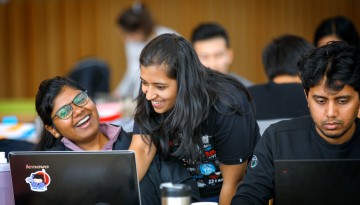
Students in fields ranging from computer science and engineering to business, agriculture and animal science convened at the second Digital Agriculture Hackathon, Feb. 28-March 1, with a shared purpose: to combine their disparate skills to brainstorm ways to make the world a better place.
NYSERDA will give Cornell $1.65 million in incentives for energy studies and project work to develop a smaller carbon footprint for campus, toward the university’s net-zero carbon goal by 2035.
Projects aiming to combat online harassment of women and improve the computer models used to predict disease were among the five at Cornell to receive 2019-2020 Google Faculty Research Awards.
Recyclable plastic containers with the No. 2 designation could become even more popular for manufacturers as plastic milk jugs, dish soap and shampoo bottles may soon get an environmental makeover.
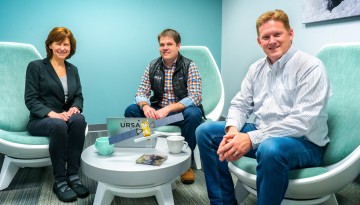
Ursa Space Systems, a geospatial intelligence agency located in Ithaca and founded by alumni Adam Maher and Derek Edinger, and Julie Baker, recently obtained $15 million in Series B funding.
Cornell faculty members are finding answers to questions related to a world on the move with a boost from Cornell’s first Migrations grants, awarded by the “Migrations” Global Grand Challenge.