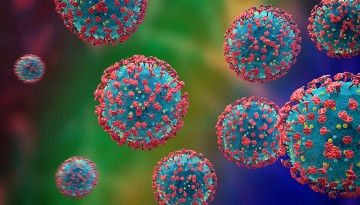
The National Institutes of Health has awarded a $26.5 million grant to a group that includes Weill Cornell Medicine, which aims to both silence and permanently remove HIV from the body.
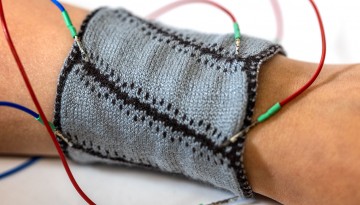
Cindy Hsin-Liu Kao, assistant professor in the College of Human Ecology, uses knitting and weaving techniques to make on-skin devices that express the wearer’s personality.
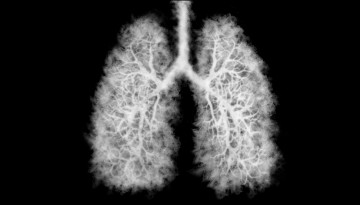
A team including researchers from Weill Cornell Medicine has received a five-year, $12.8 million grant from the National Heart, Lung, and Blood Institute to validate discoveries that may provide answers about lung diseases.
In her new book released this week, ILR associate professor Vanessa Bohns illustrates why individuals fail to recognize their own influence, and how that lack of awareness can lead to missed opportunities or accidental misuse of our power.
By testing easier-to-study coyotes, researchers from the Cornell Wildlife Health Lab at the College of Veterinary Medicine, in collaboration with the Cheyenne River Sioux tribe, have identified a range of lethal diseases threatening black-footed ferrets – one of the most endangered animals in North America.
Combining state-of-the-art X-ray technology and cryogenics, Cornell physics researchers have developed a new method for analyzing proteins in action, a breakthrough that will enable the study of far more proteins than is possible with current methods.
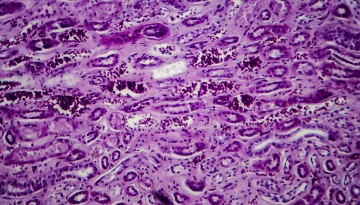
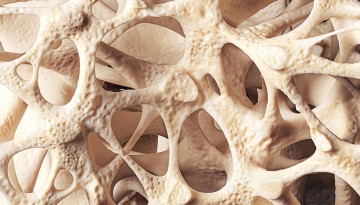
A cellular protein whose normal function appears to suppress bone formation may be a potential new target for treating osteoporosis, according to a collaborative study led by Weill Cornell Medicine and NewYork-Presbyterian researchers.
The Cornell University Library archive of 165 police union and association websites will support research on a range of issues including police reform and accountability.
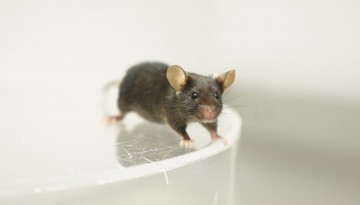
Female mice showed a “profound effect” from acute isolation, dramatically increasing their production of ultrasonic vocalizations as well as non-vocal activity, a new Cornell psychology study found.