A Cornell-led project used ancient DNA extraction and analysis to reconstruct the phenotype of the renowned sled dog Balto, revealing his lineage was genetically healthier and less inbred than modern breeds.
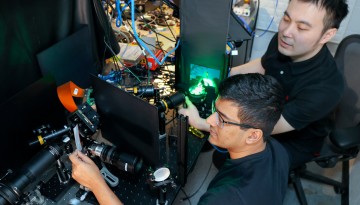
Cornell researchers have developed an optical neural network that can filter relevant information from a scene before the visual image is detected by a camera, a method that may make it possible to build faster, smaller and more energy-efficient image sensors.
In a review of more than three decades’ worth of studies a Cornell-led research group found that more research on messaging that includes the voices of historically marginalized people is necessary in the push toward equity.
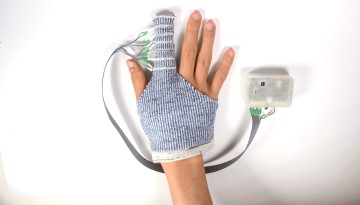
Working with physicians at Weill Cornell Medicine and therapists at the Cayuga Medical Center, Cornell Hybrid Body Lab researchers have devised a knitted wearable technology that can ease discomfort caused by hand edema.
Researchers have identified blood biomarkers that could help pediatricians quickly diagnose severe cases of COVID-19 as well as multisystem inflammatory syndrome, also known as MIS-C, which emerged during the pandemic.
Cornell University Press and the Graduate School have partnered to create a flexible on-campus summer internship to offer humanities graduate students the chance to experience firsthand the work of an acquisitions professional.
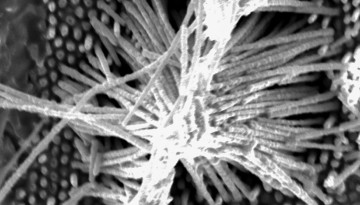
Researchers used thermomechanical nanomolding to create single-crystalline nanowires that enable metastable phases that would otherwise be difficult to achieve.