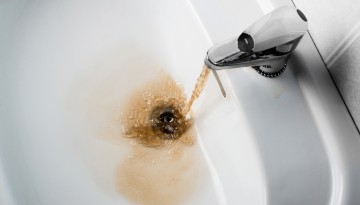
The size, strength and makeup of people’s social networks are key indicators of how they will respond to the health consequences of an environmental disaster, according to a new Cornell study that focused on the Flint, Michigan water crisis.
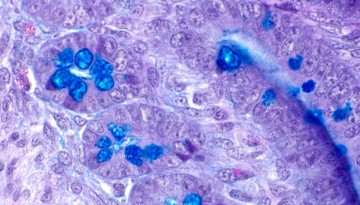
Metal oxide nanoparticles – commonly used as food coloring and anti-caking agents in commercial ingredients – may damage parts of the human intestine, say Cornell and Binghamton University scientists.
To help identify when tense online debates are inching toward irredeemable meltdown, Cornell researchers have developed an artificial intelligence tool that can track these conversations in real-time, detect when tensions are escalating and nudge users away from using incendiary language.
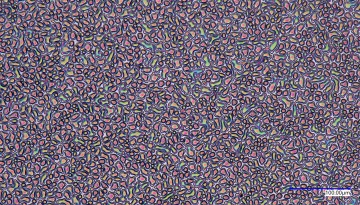
A new all-dry polymerization technique uses reactive vapors to create thin films with enhanced properties that could lead to improved polymer coatings for microelectronics, advanced batteries and therapeutics.
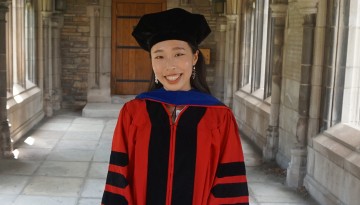
Biomedical and biological sciences alumna Yun Ha Hur, Ph.D. ’21, was selected as a finalist for the SUNY Chancellor Ph.D. Graduate Dissertation Awards, which recognizes outstanding doctoral candidates in the SUNY system.
States could take steps now to soften the impact of a recession by protecting residents with unsecured debt, according to a new study that reveals an inequitable patchwork of protections for Americans who are behind on their bills.
An interdisciplinary collaboration used tree ring and isotope records to pinpoint a likely culprit for the collapse of the Hittite Empire: three straight years of severe drought in an already dry period.
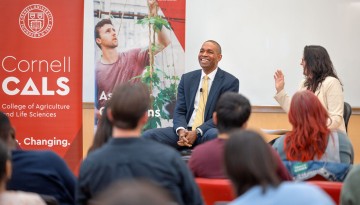
New York Lt. Gov. Antonio Delgado engaged with students and faculty on topics ranging from biological engineering to nutrition to 4-H programs during his first tour of the Ithaca campus on Feb. 2.