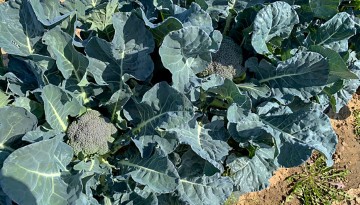
A new broccoli variety, a co-hybrid between parents developed at Cornell and the global seed company Bejo Zaden, can withstand warmer, more unpredictable conditions such as the ones in the Northeastern U.S.
Kieri Keys spent this summer as one of five undergraduate student managers of her beloved Dilmun Hill, where students have been growing vegetables and building community connections for almost 30 years. This year one of the managers has been dedicated to Dilmun's growing agroforestry projects.
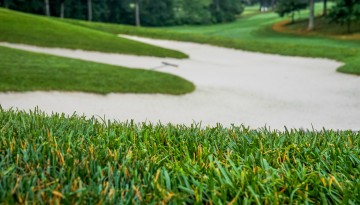
A 25-year partnership between Cornell researchers and New York State Parks culminates at the 2025 Ryder Cup, the most sustainable professional golf tournament to date.
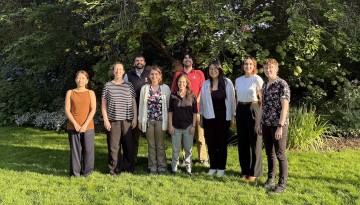
Nine postdoctoral scholars were honored with Postdoc Achievement Awards as part of Cornell’s participation in National Postdoc Appreciation Week. The awards recognize excellence in community engagement, leadership and mentoring.
Cornell Atkinson, The Nature Conservancy, Clean Air Task Force and Environmental Defense Fund have awarded grants to five research projects that aim to improve sustainability in the dairy industry.
A new study found that bird migration over coastal waters in North America occurs on fewer nights compared to migration over land, varying in intensity depending on the season.
Bird lovers are more motivated to take action to prevent birds from colliding with their windows by messages that stress the effectiveness of those measures, while emotional appeals are more persuasive for the general public, a Cornell study finds.