The new website Finger Lakes LandLink seeks to link small-scale farmers with landowners to put more land in the region into agricultural production and support the local food economy.
Cornell researchers received a $600,000 grant from the U.S. Department of Agriculture to study relationships between rice genetics, crop yields and climate.
Recent transfer student and horticulture enthusiast Justin Kondrat ’14 has led a project with the help of nearly 100 Cornellians to plant some 50,000 blooming flowers that spell out the word “rooted” in 10-foot letters on Libe Slope; the display will glow nightly until May 1.
Cornell plant breeders have released a new alfalfa variety with some resistance against alfalfa snout beetle, which has ravaged alfalfa fields in New York.
Cornell is the major research partner in a consortium that is creating culturally acceptable insurance products to reduce the impact of extreme weather on some of the developing world’s most vulnerable populations.
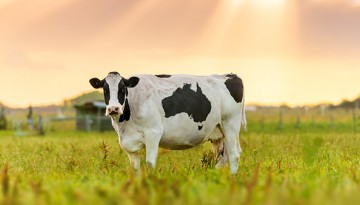
Cornell scientists have created the first vaccines that can prevent metritis, one of the most common cattle diseases. The infection not only harms animals and farmers’ profits but also drives more systemic antibiotic use on dairy farms than any other disease.
Cornell researchers have discovered five new species of a group of bacteria called Listeria – including one named for Cornell, providing new insights that could lead to better ways to detect the soil bacteria in food.